Emotional Distancing: The Emotional Intelligence Skill That Protects You From Overthinking
There comes a point in adult life when the problem is not what happened — the problem is how deeply everything keeps entering your system.
A delayed reply ruins your mood. A difficult conversation keeps replaying in your head. A single criticism from your boss stays with you for days. One emotionally charged moment hijacks your energy, your focus, and sometimes even your self-worth.
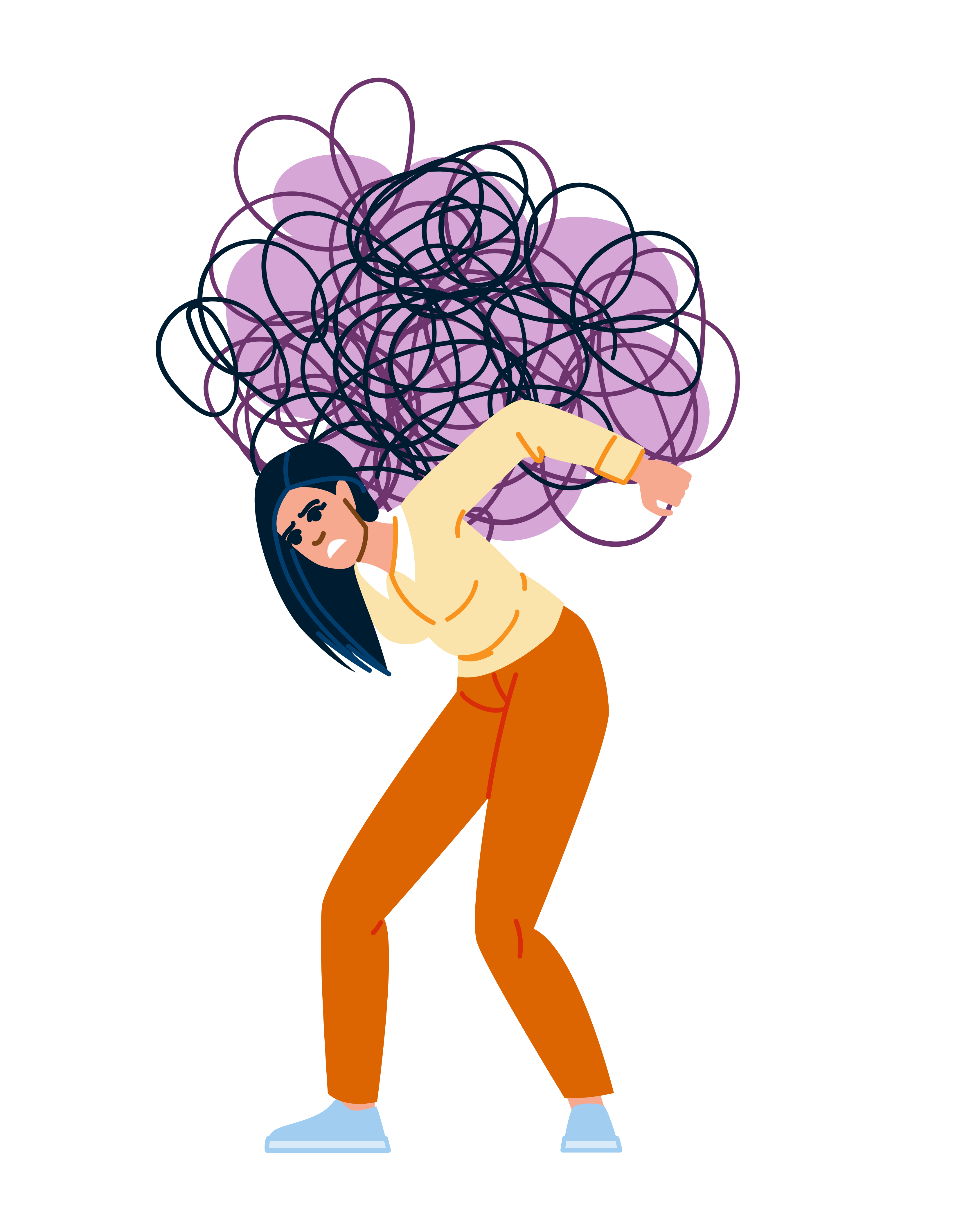
This is not just sensitivity. This is emotional over-absorption.
And in a world that constantly demands mental stamina, emotional clarity, and inner steadiness, one skill has become deeply necessary:
Emotional Distancing
Not as avoidance. Not as coldness. Not as emotional suppression.
But as emotional intelligence in motion.
What is Emotional Distancing, Really?
Emotional distancing is the ability to step back from an emotionally activating situation without disconnecting from yourself.
It means you stop reacting from the center of the wound and start observing the situation with greater psychological space.
In simple terms:
You remove yourself from the emotional fog long enough to see clearly.
This practice allows you to separate:
fact from interpretation
emotion from identity
trigger from truth
temporary discomfort from permanent meaning
And that distinction changes everything.
Because most people are not exhausted only by life. They are exhausted by their constant internal involvement with life.
Why This Skill Matters More in Adulthood
In your 20s, 30s, and 40s, life becomes more layered.
You are managing:
work pressure
emotional relationships
self-doubt
family expectations
career uncertainty
invisible burnout
internal comparison
the pressure to “hold it together”
And if you are someone who naturally absorbs environments, moods, tones, and tensions, emotional distancing is no longer optional.
It becomes a form of mental hygiene.
Because if you do not know how to step back internally, you end up carrying emotional residue from one area of life into every other.
A work frustration enters your home. A relationship issue enters your sleep. A family trigger enters your confidence. A single moment enters your nervous system and stays there longer than it should.
That is not emotional depth. That is emotional overload.
3 Practical Ways to Practice Emotional Distancing in Real Life
1. Use the “Observer Voice” Instead of the Wounded Voice
One of the fastest ways to create emotional distance is to change the internal narrator.
When you are triggered, your mind usually speaks from pain:
Why does this always happen to me?
Why am I so affected by everything?
Why do people make me feel this way?
This voice is reactive, emotional, and fused with the moment.
Instead, consciously switch to what I call the Observer Voice.
Ask:
What exactly is happening inside me right now?
What am I feeling beneath this reaction?
What story is my mind creating?
What would a calmer version of me say about this?
This is not just reflection. This is self-leadership.
Why it works:
The moment you move from being inside the emotion to observing the emotion, you reduce its control over your nervous system.
You cannot regulate what you are completely fused with.
2. Practice “Emotional Non-Immediate Action”
One of the most emotionally expensive habits adults have is this:
They act while emotionally inflamed.
They send the message. They react to the tone. They over-explain. They resign mentally. They spiral, assume, withdraw, or confront — all before clarity has arrived.
One of the most powerful forms of emotional distancing is to build a personal pause rule:
Do not make important emotional decisions in your first wave of feeling.
Create what I call an Emotional Delay Window.
Before responding, ask:
Do I need to react, or do I need to regulate first?
Am I trying to solve something, or discharge something?
Will I still feel the same intensity tomorrow?
This is incredibly useful for:
workplace misunderstandings
passive-aggressive communication
family triggers
emotionally loaded texting
conflict in close relationships
Why it works:
Because emotions are often true in intensity, but unreliable in timing.
The first feeling is real. The first reaction is not always wise.
3. Separate the Trigger From the Meaning
This is where most overthinking actually multiplies.
The pain is often not just in what happened. It is in what your mind makes it mean.
Example:
Trigger: Someone became distant. Meaning:I am not valued.
Trigger: Your idea was not appreciated. Meaning:I am not good enough.
Trigger: Someone looked uninterested. Meaning:I must have done something wrong.
This is how emotional spirals are built — not from events alone, but from meaning attachment.
A simple emotional distancing exercise is this:
Take a page and divide it into two columns:
Column 1: What happened
Column 2: What I am making it mean
This is one of the fastest ways to expose:
assumptions
insecurity patterns
rejection filters
emotional exaggeration
hidden inner narratives
Why it works:
Because clarity begins the moment you stop treating every interpretation as truth.
Your mind is not always reporting reality. Sometimes it is reporting old pain.
The goal is not to become unaffected by life.
The goal is to become less available for unnecessary emotional chaos.
Because adulthood demands more than emotional depth. It demands emotional structure.
And if you can learn to pause, observe, separate, and regulate — you will not only think better.